
Five Holiday 2025 Projects That Shaped the Season
A year-end reflection on how visual merchandising is being used across retail
The holiday season reveals more than sales results. It highlights where retailers, markets, and commercial spaces need clarity, support, and systems that can hold up under pressure.
Looking back at Holiday 2025, these five projects stood out because each addressed a different retail challenge. Together, they reflect how visual merchandising is being applied across neighbourhoods, markets, independent businesses, and national brands.
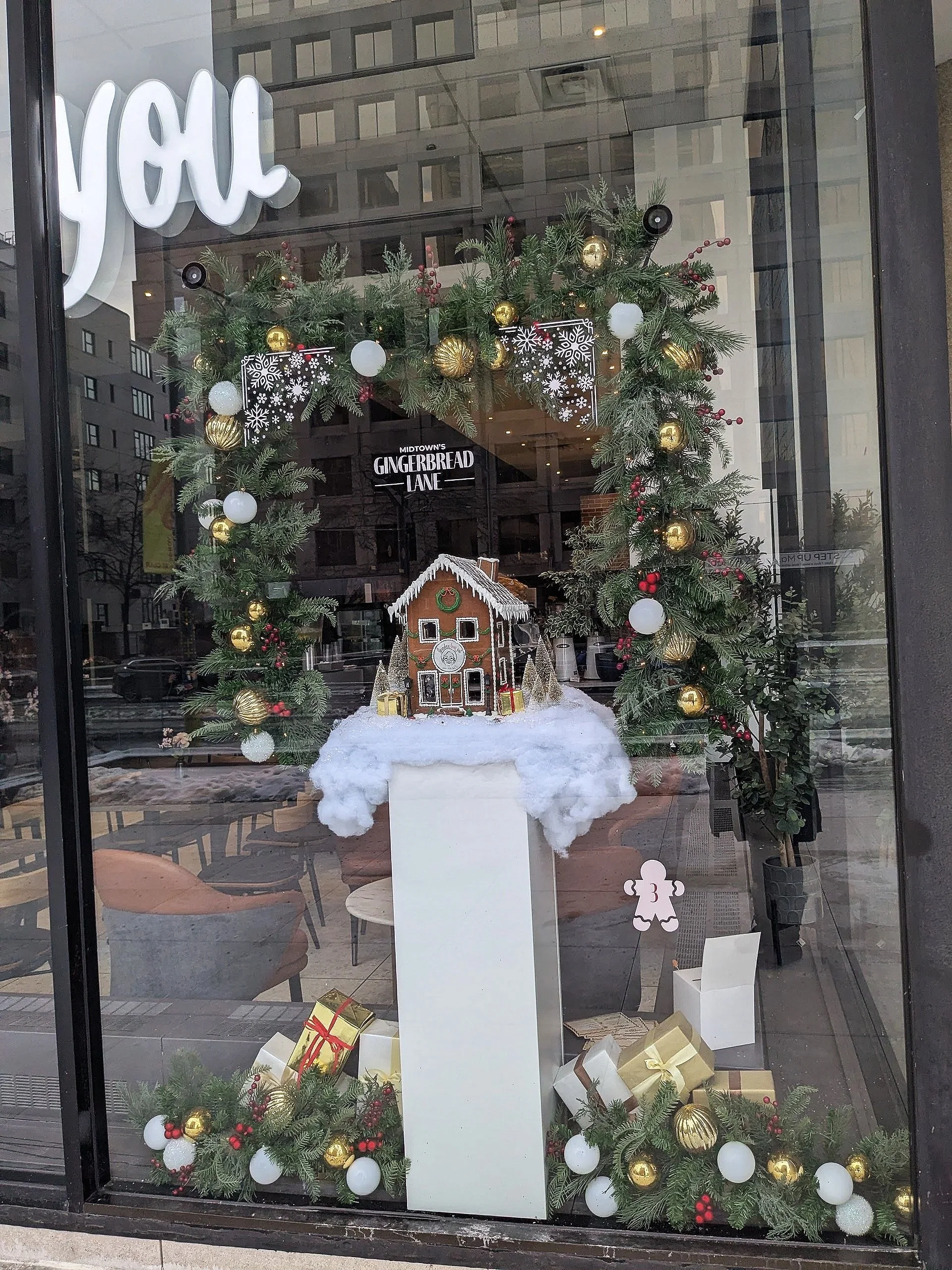
1. Gingerbread Lane, Activating a Retail Neighbourhood
Yonge–St. Clair BIA
We were brought in by the Yonge–St. Clair BIA to support Gingerbread Lane, a coordinated holiday window display initiative across the neighbourhood. The goal was to create a cohesive, walkable retail experience that encouraged foot traffic, discovery, and seasonal engagement.
Rather than approaching each storefront individually, this project focused on alignment across the street. When window displays work together, the neighbourhood feels intentional and inviting, benefiting every retailer involved.
This type of project highlights how BIAs and commercial property managers can use visual merchandising as a placemaking tool, adding value to both individual businesses and the broader retail community.
See more project photos in our Gallery page.
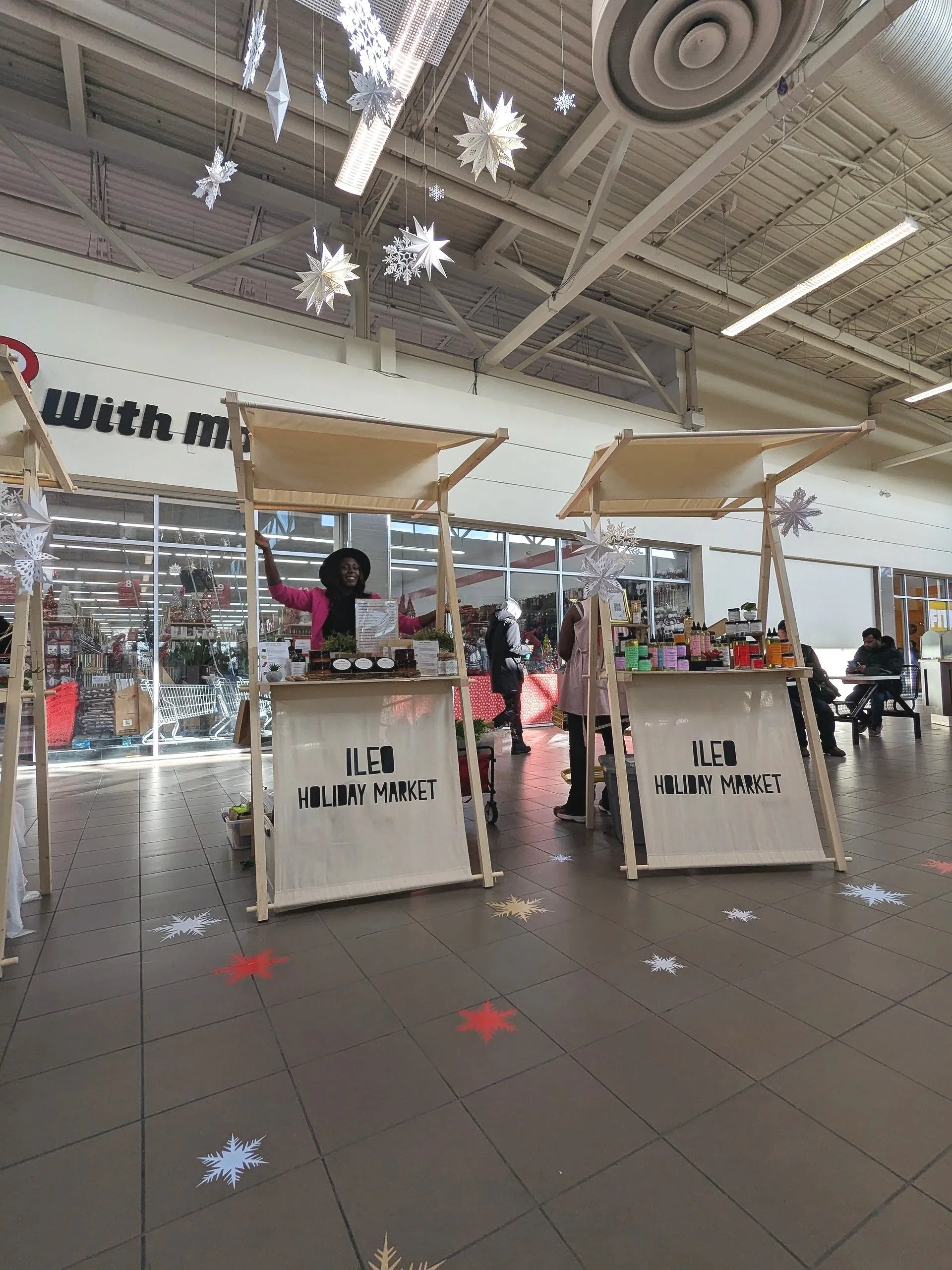
2. Supporting Emerging Entrepreneurs, ILEO Storefront Starter Holiday Market
The ILEO Storefront Starter program supports new and aspiring entrepreneurs from the Greater Golden Mile as they step into physical retail. For the Holiday Market, participants were given vendor spaces in a high-traffic environment, with some selling in this type of setting for the first time.
Our role focused on visual direction, set-up, and execution, helping ensure the market felt cohesive and professionally presented. We also supported vendors with guidance on how to merchandise their products clearly and confidently within a shared market environment.
This project reflects how visual merchandising can support market vendors and early-stage businesses, especially when the setting feels unfamiliar or overwhelming. Clear presentation and hands-on support can make a significant difference in how confidently a brand shows up.
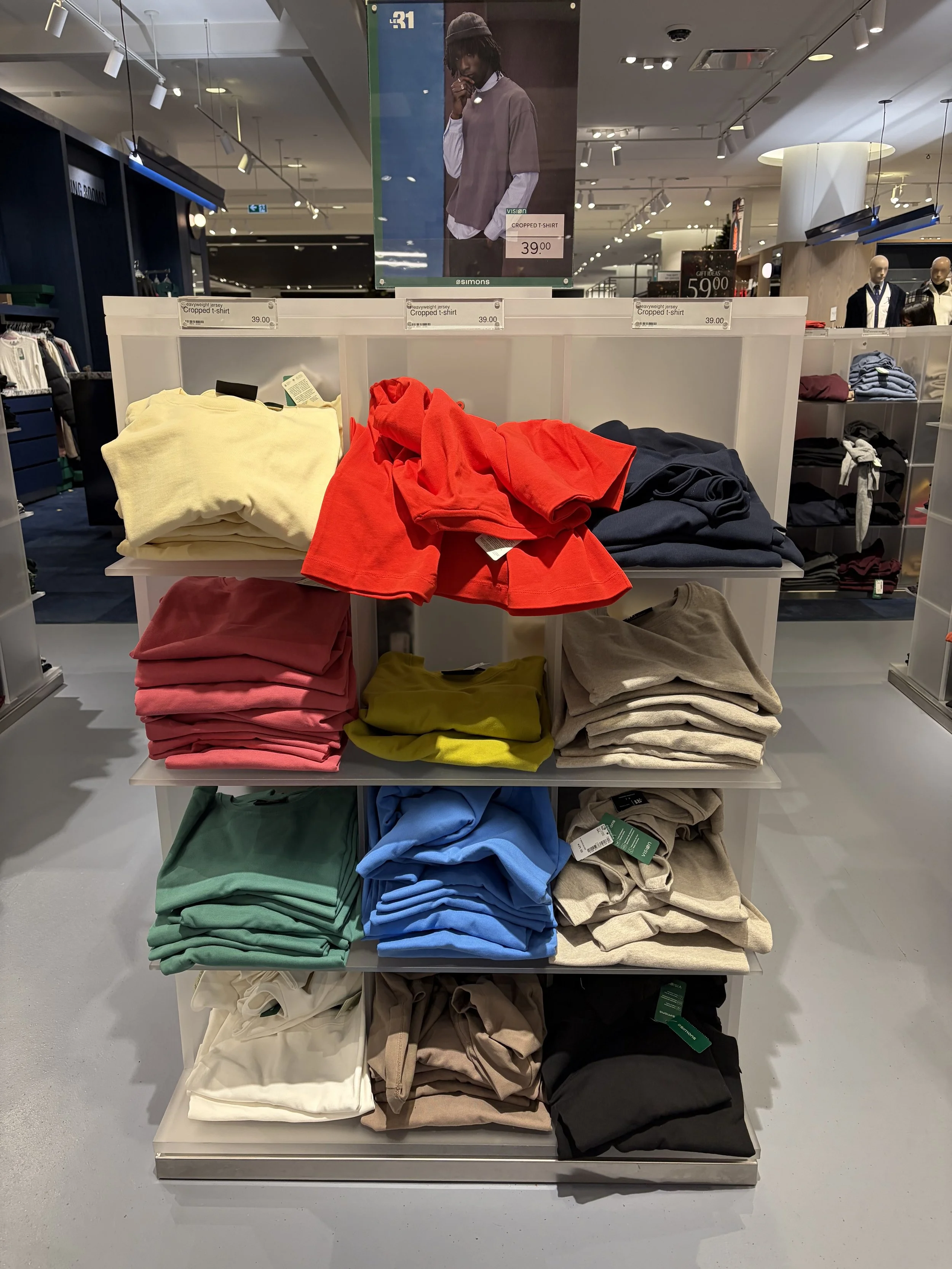
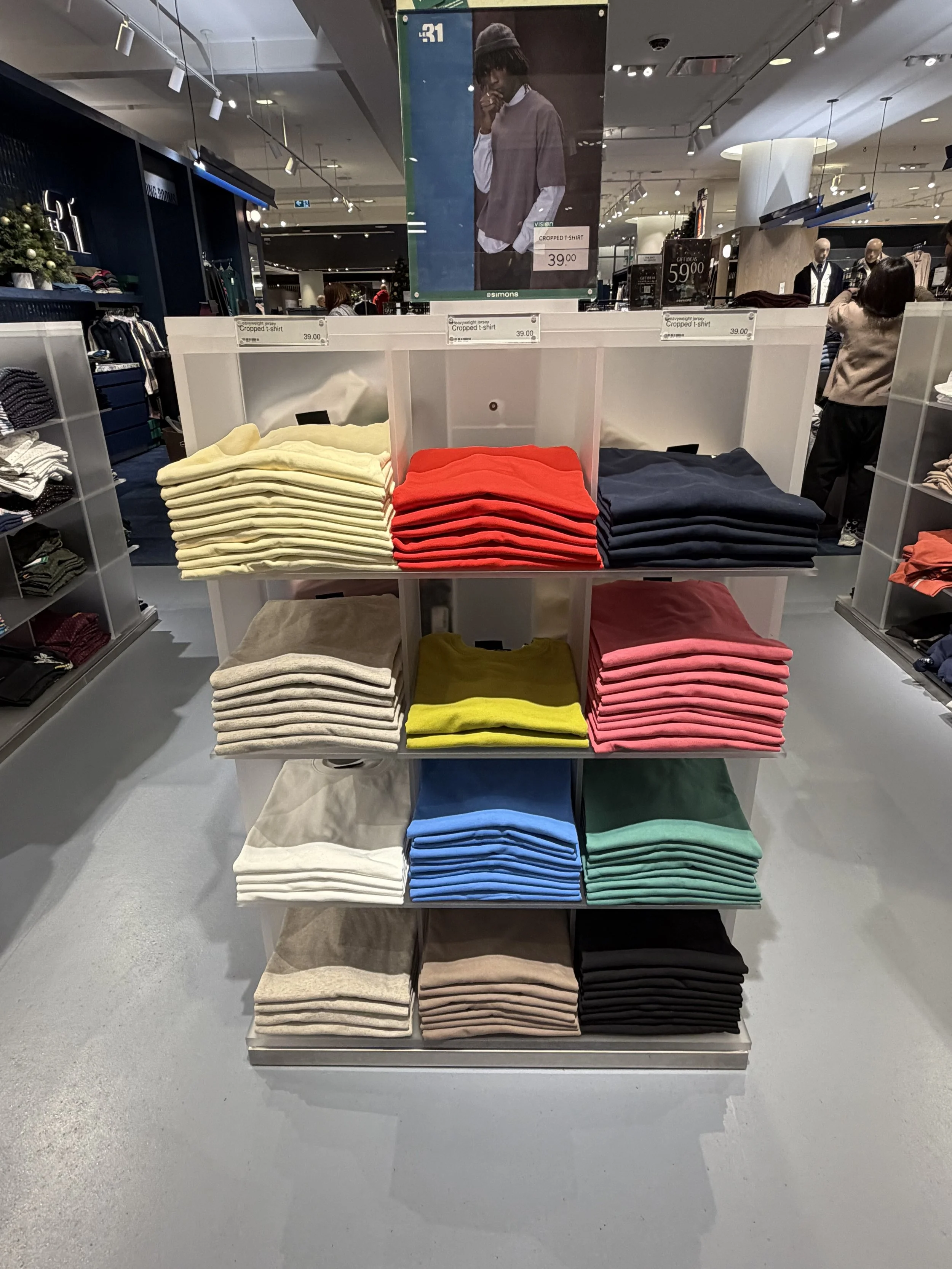
3. Simons, Supporting the Sales Floor During Peak Demand
Not all holiday visual merchandising work is about decoration. In many cases, it is about operational support.
During heavier-than-normal sales periods, we supported the Simons team by helping recover and reset the sales floor in time for store opening. This allowed internal teams to focus on customers and operations, while maintaining presentation standards during peak traffic.
This type of support is common among national retailers who need additional VM labour during high-volume moments, ensuring consistency when the floor is under pressure.
4. Bella Tan Bare Essentials, Building Seasonal Consistency
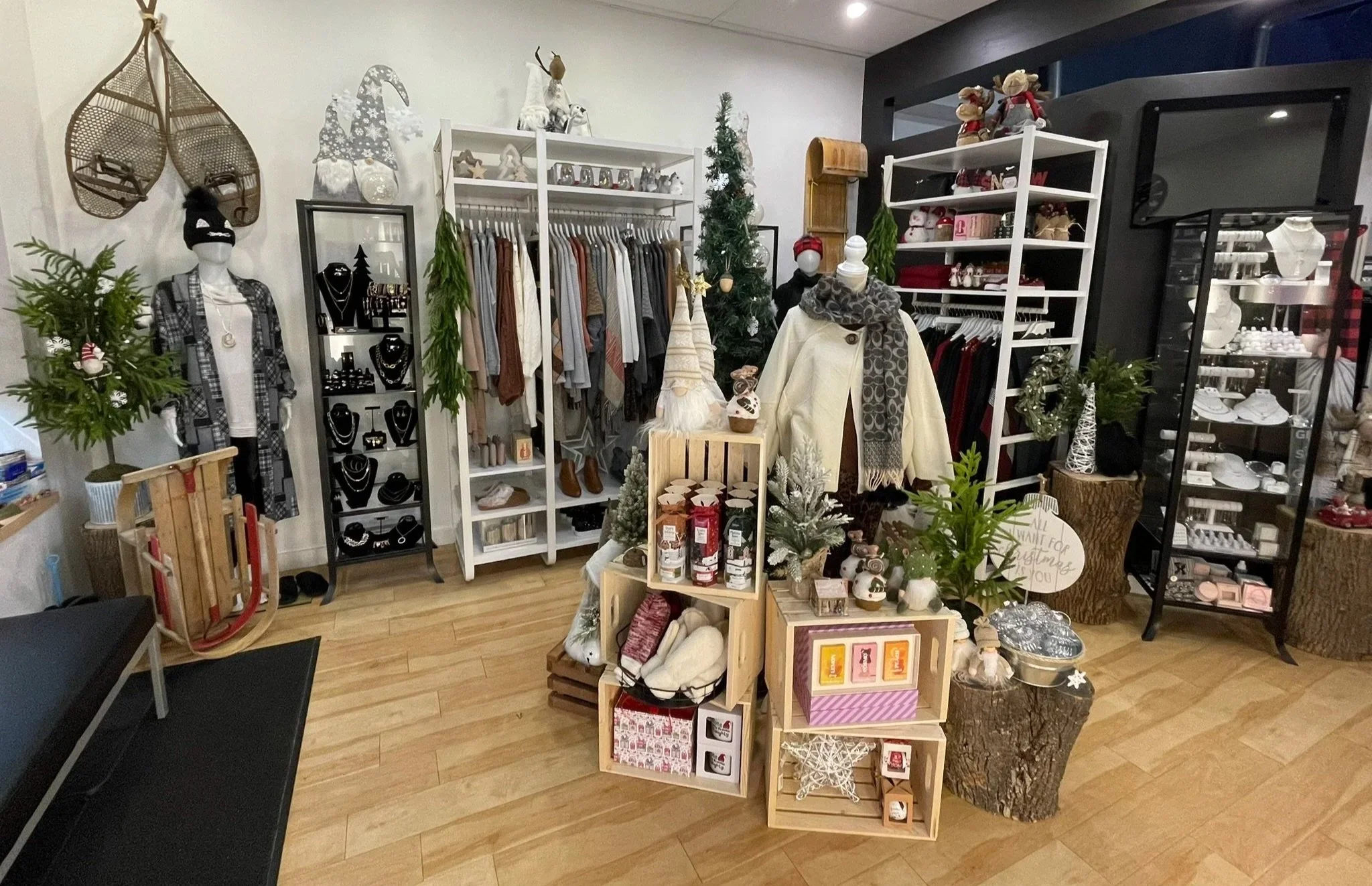
With Bella Tan & Boutique, visual merchandising was treated as an ongoing strategy rather than a one-time holiday refresh. Throughout the year, we supported seasonal updates that kept the space feeling current while staying aligned with the brand.
The holiday update was the final phase of a planned series of refreshes. Because the strategy was established earlier in the year, the transition was efficient and cohesive.
This approach is particularly effective for small to mid-sized retailers looking to make the most of their space without starting from scratch each season.
5. Stackt Market, Long-Term Growth Through the Stackt X Program
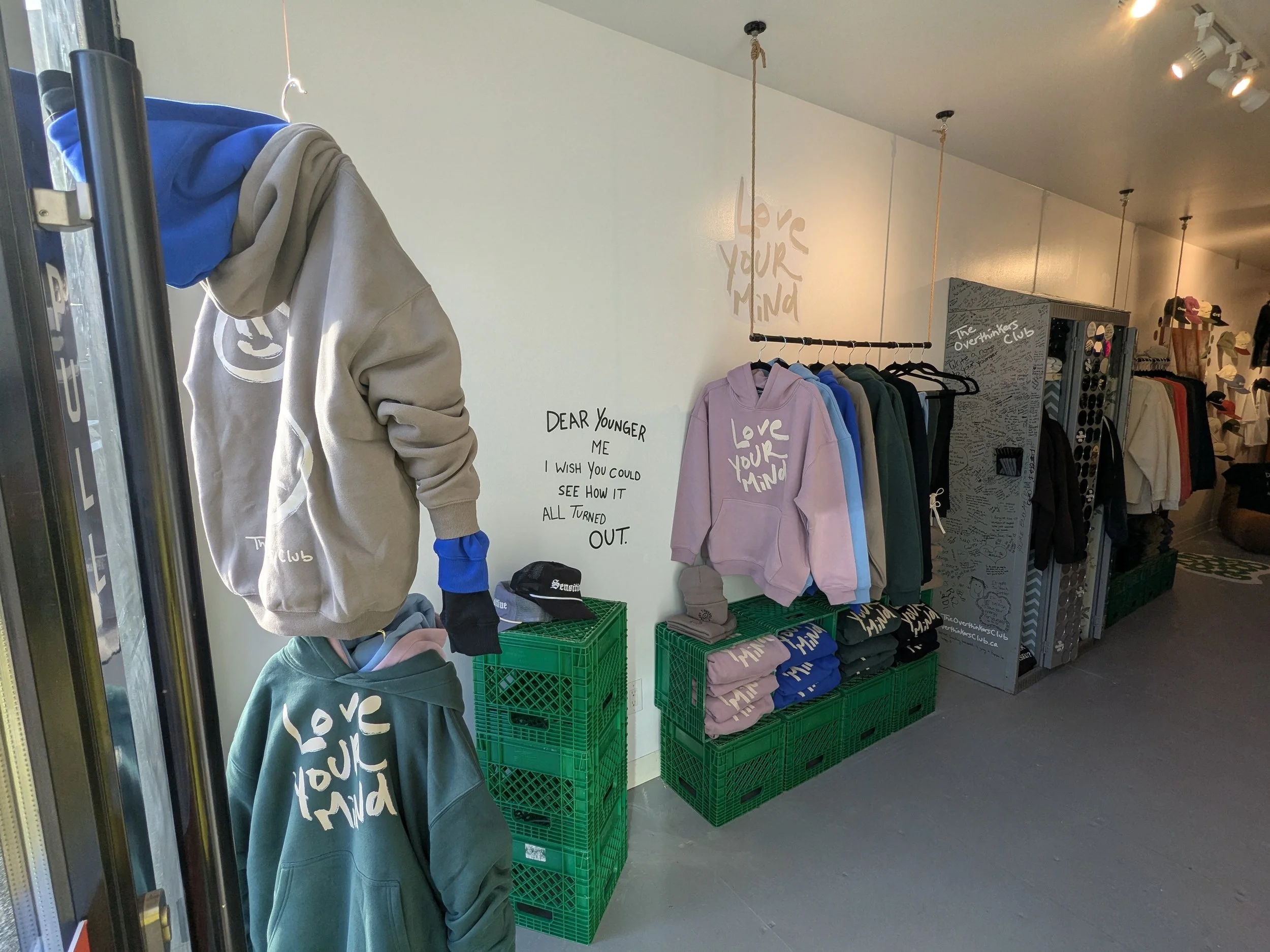
While not holiday-specific, the Stackt X Program represents the long-term role of visual merchandising. Throughout 2025, we supported grant recipients through consultations and visual guidance as their businesses evolved.
By year-end, many vendors showed clearer brand presentation, improved product storytelling, and stronger use of their space.
This type of work demonstrates how show organizers and property managers can offer visual merchandising support as a value-added resource, helping retailers grow beyond a single event or season.
What These Projects Have in Common
These projects span BIAs, markets, independent retailers, national brands, and long-term programs. What connects them is how visual merchandising is used as a practical tool, not decoration.
It supports new vendors navigating unfamiliar environments.
It helps small businesses use their space more effectively.
It supplements national teams during peak periods.
And it completes the work of retail designers by bringing spaces to life through execution.
As we head into a new year, these projects reflect the flexibility and relevance of visual merchandising when it is aligned with real retail needs.